When Calm Is Tested: Withdrawal Queues, UK Bank Rails and the Liquidity Illusion Behind Solace Tokens
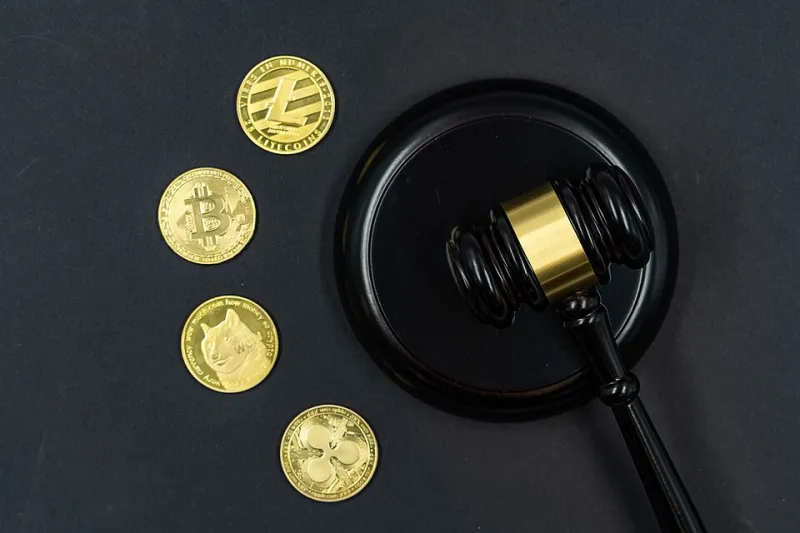
Photo: CryptoWallet.com Images, CC BY 2.0, via Wikimedia Commons
Calm is a useful brand attribute. It is not a settlement mechanism. For UK investors who hold solace-themed tokens, the difference becomes visible when a withdrawal request leaves the order book and enters the operational queue. At that point, the question is no longer whether the token has a reassuring name or a steady chart. It is whether the exchange, custodian and banking route can turn a digital balance into spendable sterling within the advertised window.
The queue is not the market
A token can trade continuously and still be difficult to exit. Market liquidity describes the depth available on exchanges and decentralised venues: how much can be sold without moving the price sharply. Withdrawal liquidity is different. It describes whether the venue can release the asset, and whether the fiat leg can be settled through the banking system. In stress, these two forms of liquidity can diverge. The screen may show a price, but the queue may show a delay.
That distinction matters for any asset marketed as a source of solace. A calm chart does not prove that the exit route is robust. A volatile chart does not prove that withdrawals are impaired. Operational evidence sits elsewhere: processing times, queue disclosures, hot-wallet activity and the reliability of the fiat partner.
Four layers between a token and a UK bank account
For a UK holder, an exit usually passes through several layers. Each can become a bottleneck.
The first is on-chain liquidity. A decentralised pool may look deep in quiet conditions but thin quickly when several sellers arrive together. Slippage and gas costs can rise, and the quoted price can become misleading.
The second is exchange liquidity. Order books depend on market makers and on the venue's risk controls. An exchange may restrict trading, widen spreads or suspend a pair before it suspends withdrawals. Trading restrictions are not settlement.
The third is custody and withdrawal operations. Hot-wallet balances, signer availability, blockchain congestion and manual review can all slow a release. A queue is often an administrative process rather than a blockchain failure.
The fourth is the fiat off-ramp. UK bank rails include Faster Payments and CHAPS, but access depends on the exchange's banking arrangements and on the receiving bank's own controls. Payment checks, fraud monitoring and account reviews can add days even when the crypto leg is complete. A withdrawal that is confirmed on-chain is not the same as cleared sterling.
Why UK investors should test the route before they need it
Operational testing is unglamorous, but it is more informative than a reassuring post. A small withdrawal made in calm conditions can reveal fees, minimum amounts, whitelisting requirements, two-factor authentication steps and the descriptor that appears on a bank statement. It can also show whether a fiat withdrawal triggers extra verification or a manual review.
The aim is not to predict a crisis. It is to understand the route while the route is behaving normally. Investors should keep records of the test, note the time taken and check whether the amount received matches the amount quoted after fees. If a platform offers both crypto and fiat withdrawals, the two should be tested separately because they depend on different systems.
This is operational hygiene, not a judgment on any token's investment merit. It simply recognises that a balance on a screen is a claim on an institution, and claims are only as good as the institution's processes.
What community updates can tell you, and what they cannot
Community updates are most useful when they are specific. A good operational notice gives a timestamp, a batch number, a transaction reference, an expected settlement window and a named function responsible for the next step. It distinguishes between blockchain confirmation, internal review and bank settlement. It says what is not yet known.
A soothing update does the opposite. It may say that funds are safe, that the team is working hard and that the community should remain calm. Those statements may be true, but they are not verifiable. When withdrawal delays appear, the useful questions are concrete: how many requests are queued, what is the average processing time, which banking partner is involved and what has changed since the last update?
Community updates can reassure, but they can also paper over operational risk. The warning sign is not a single vague post. It is a pattern in which questions about queues are answered with brand language, timestamps are missing and the conversation moves to market sentiment rather than settlement. Transparency admits friction. Soothing noise avoids it.
The solace test
The more useful meaning of solace is not quiet marketing. It is predictable exit. A token can be volatile and still have clean withdrawal routes. A token can be calm and still depend on fragile rails. UK investors should judge the operational layer directly, keep custody diversified where appropriate and treat withdrawal testing as part of due diligence rather than an afterthought.
Calm branding is not evidence. A tested route is.